Business Storage for Delaware County Retailers
Move overflow inventory off the sales floor with business storage in Muncie and Yorktown. Drive-up and climate-controlled units with month-to-month leases.
How Delaware County Retailers Can Solve Inventory Overflow with Business Storage
TL;DR / Quick Summary Business storage in Muncie and Yorktown moves overflow inventory off the sales floor without a second retail lease. - Bulk stock: 10x20 or 10x30 drive-up units - Sensitive goods: climate-controlled units at both locations - Files: dedicated record storage - Access: 6:00 AM to 9:00 PM daily, with 24/7 available to authorized tenants on request - Lease: month-to-month terms that follow the season
Delaware County retailers solve inventory overflow with business storage: a gated drive-up or climate-controlled unit that holds extra cartons, fixtures, and records so the sales floor stays clear. You rent the space you need for the season, load from the unit door, and drop the unit when sell-through is done. Muncie Yorktown Storage offers this mix at 1018 W Centennial Ave, Muncie IN 47303 and 1524 S Nebo Rd, Yorktown IN 47396.
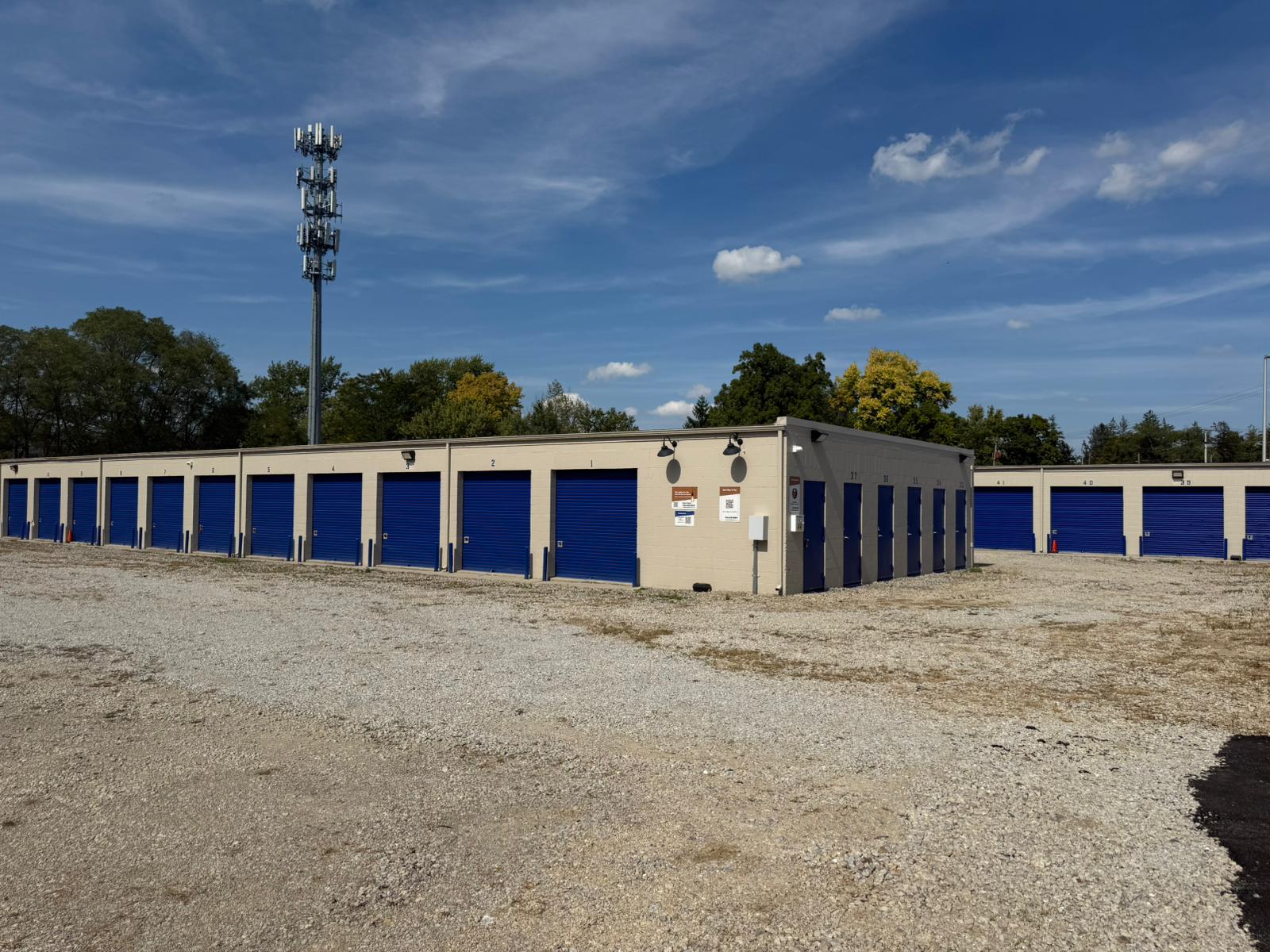
Why Do Delaware County Shops Run Out of Stockroom Space?
Retail in Delaware County still runs on square footage you can walk. Once back-stock, incoming freight, and packing supplies spill past the storeroom door, the sales floor starts doing warehouse work. That crowds displays and slows restocking.
A pallet of seasonal goods blocks the receiving door. Extra endcaps sit in the only hallway staff use. Holiday cartons stack next to the register.
None of that helps a customer find a size or check out. Overflow is an operations problem: floor space, receiving flow, and a back room that no longer functions as storage. A shop that stays easy to shop keeps ready-to-sell inventory close at hand and parks the rest off the floor.
How Do Seasonal Buys and Over-Orders Fill the Back Room?
Holiday inventory, back-to-school, and promotional buys often outgrow the storeroom before sell-through. A Delaware County retailer may order deep for a sale weekend, then sit on leftover SKUs for weeks. That leftover stock is a problem only if those cartons live on the sales floor.
A month-to-month off-site unit holds the extra until it moves. You pull what you need for the week and leave the rest gated and dry. When the promotion ends, you scale storage down or empty the unit instead of paying for empty retail space built for a six-week peak.
The same pattern shows up after a vendor over-ship or a canceled wholesale order.
What Non-Merchandise Items Steal Selling Space?
Returns waiting for processing, extra fixtures, packing materials, and off-season displays still need a secure place you can reach without a hunt. Left in the shop, they steal selling space. A storage unit for those items keeps the floor usable.
Process returns on a set day. Stage packing supplies where they do not block a fire path. Park last season's displays until the calendar calls them back.
Easy access matters here. You will retrieve this stuff. You do not want it buried behind a wall of cartons.
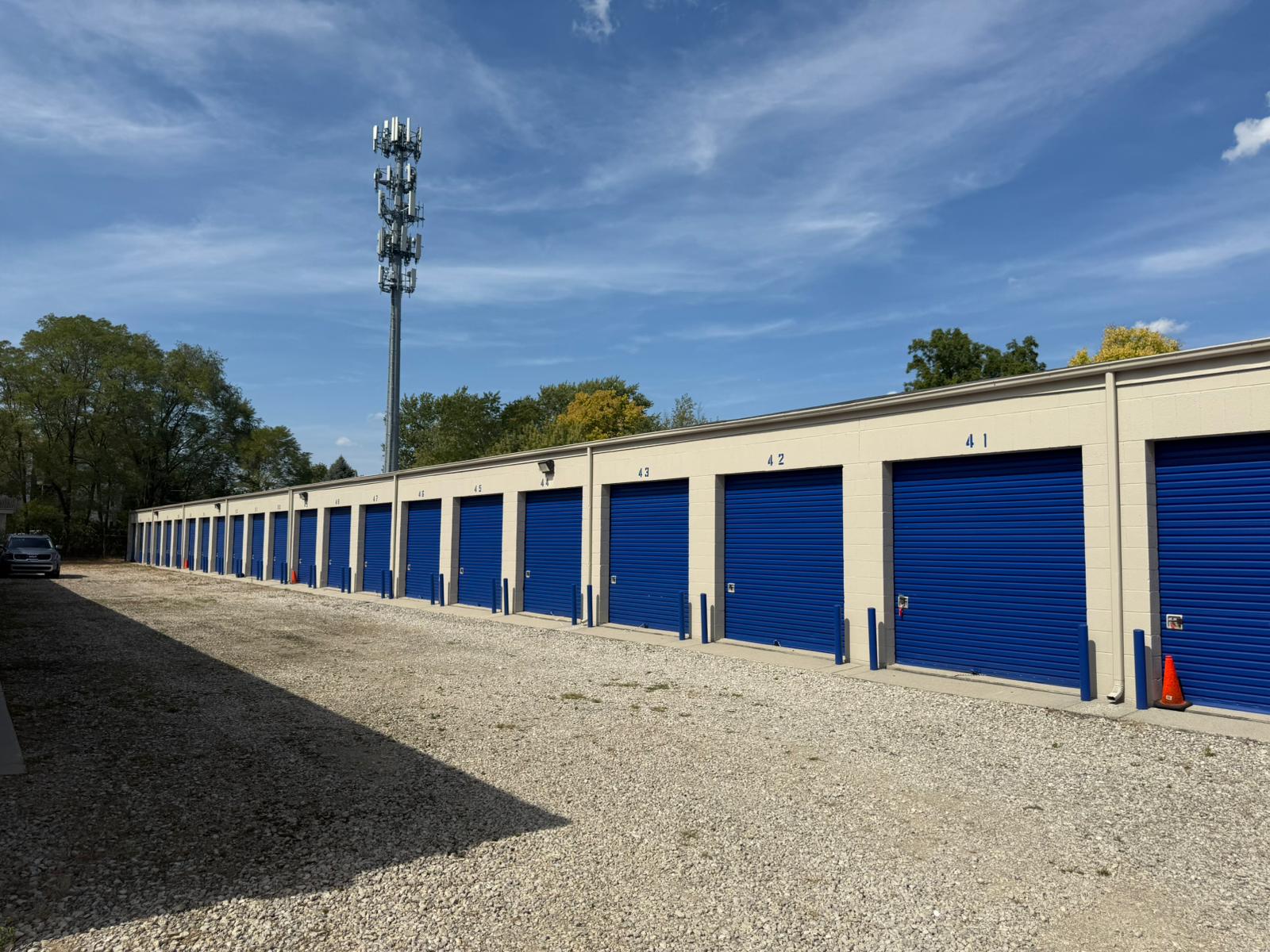
When Does Business Storage Beat a Bigger Storefront?
More retail square footage sounds like a fix. It comes with a long lease, build-out, utilities, and a commitment that outlasts a slow season. Business storage solves overflow on a different clock: rent a 10x20 or 10x30 for the peak, then drop down when inventory thins.
No contractor. No second storefront. The shop stays focused on customers.
| Decision factor | Extra retail lease | Business storage |
|---|---|---|
| Time to space | After renovation | Ready now |
| Inventory swings | You still pay for empty selling area | Scale a unit up or down |
| Loading | Back-room path | Drive-up to the unit door |
| Cash flow | Long commercial rent | Month-to-month |
| Best use | Need more selling area | Cartons, fixtures, and records overflowing the storeroom |
If the problem is cartons, fixtures, and records, storage is the cleaner move. If the problem is too few customers in too little selling area, that is a different project. Do not confuse the two.
A larger storefront does not fix a storeroom that already failed at its job. A unit you can exit next month is a tool. A second lease is a bet.
Most overflow problems call for the tool.
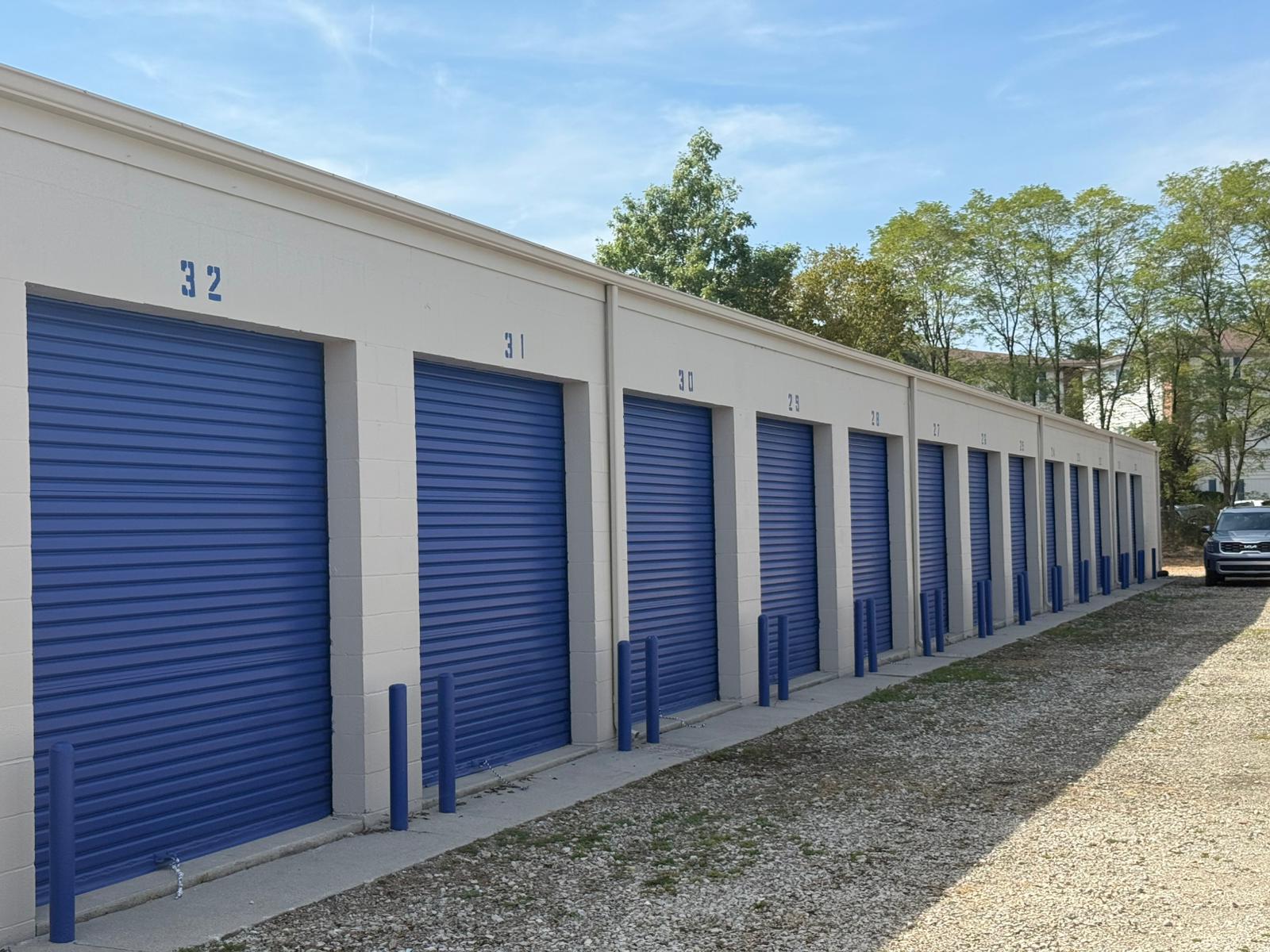
Which Unit Type Fits Retail Overflow Inventory?
Bulk stock, climate-sensitive goods, and records are three different jobs. One size of unit does not cover all three. Muncie Yorktown Storage offers drive-up units, climate-controlled units, and record storage at both Delaware County locations.
Pick the mix that matches what you actually need to park. Start with how you load, what the goods can tolerate, and how often you will open the door. Then match unit type to that work.
| Inventory type | Recommended unit | Typical use |
|---|---|---|
| Boxed merchandise, fixtures, equipment | 10x20 or 10x30 drive-up | Pallets, totes, seasonal sets |
| Heat- or cold-sensitive goods | Climate-controlled | Stable conditions at both locations |
| Invoices, tax files, vendor packets | Record storage | Closed years off the shop floor |
What Fits in a 10x20 or 10x30 Drive-Up Unit?
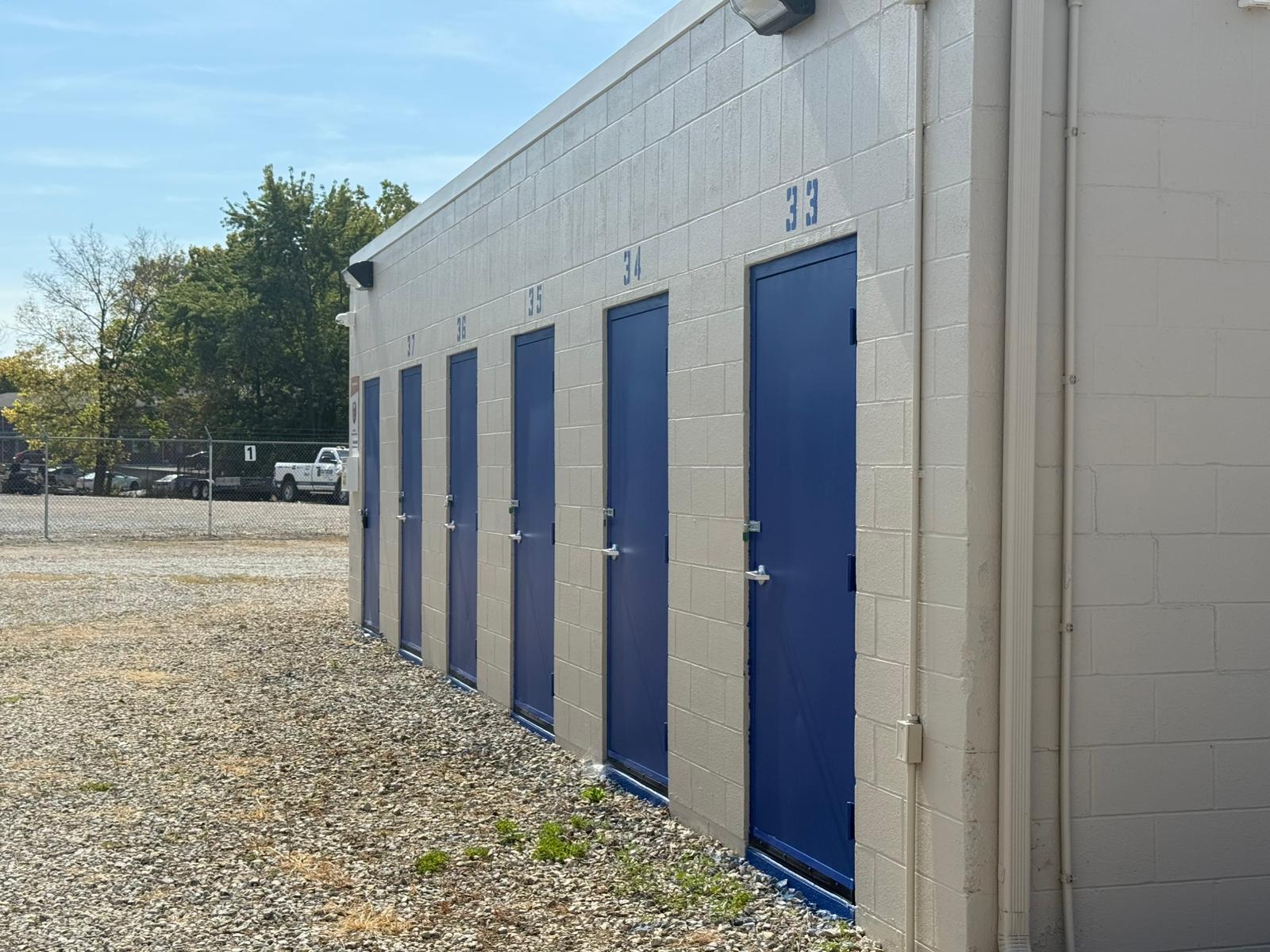
For boxed merchandise, extra fixtures, and equipment, a large exterior-access drive-up unit is the workhorse. A 10x20 or 10x30 fits the typical Delaware County retailer who needs overflow for pallets, totes, and seasonal sets. You back a van or truck to the door, load, and leave.
These units sit on the exterior of the building. That layout is the point for retail restocking. A morning run for the weekend sale should feel like a receiving dock, not a trip through indoor halls.
How to pack a bulk unit:
- Stack heavier cartons low
- Keep a center aisle so you can pull a SKU without unloading half the unit
- Face labels out
- Leave a walkway you can walk on day one and day sixty
If you are still deciding which size fits bulk inventory, start with what you cannot keep in the storeroom this month, then add a little room for the next incoming order.
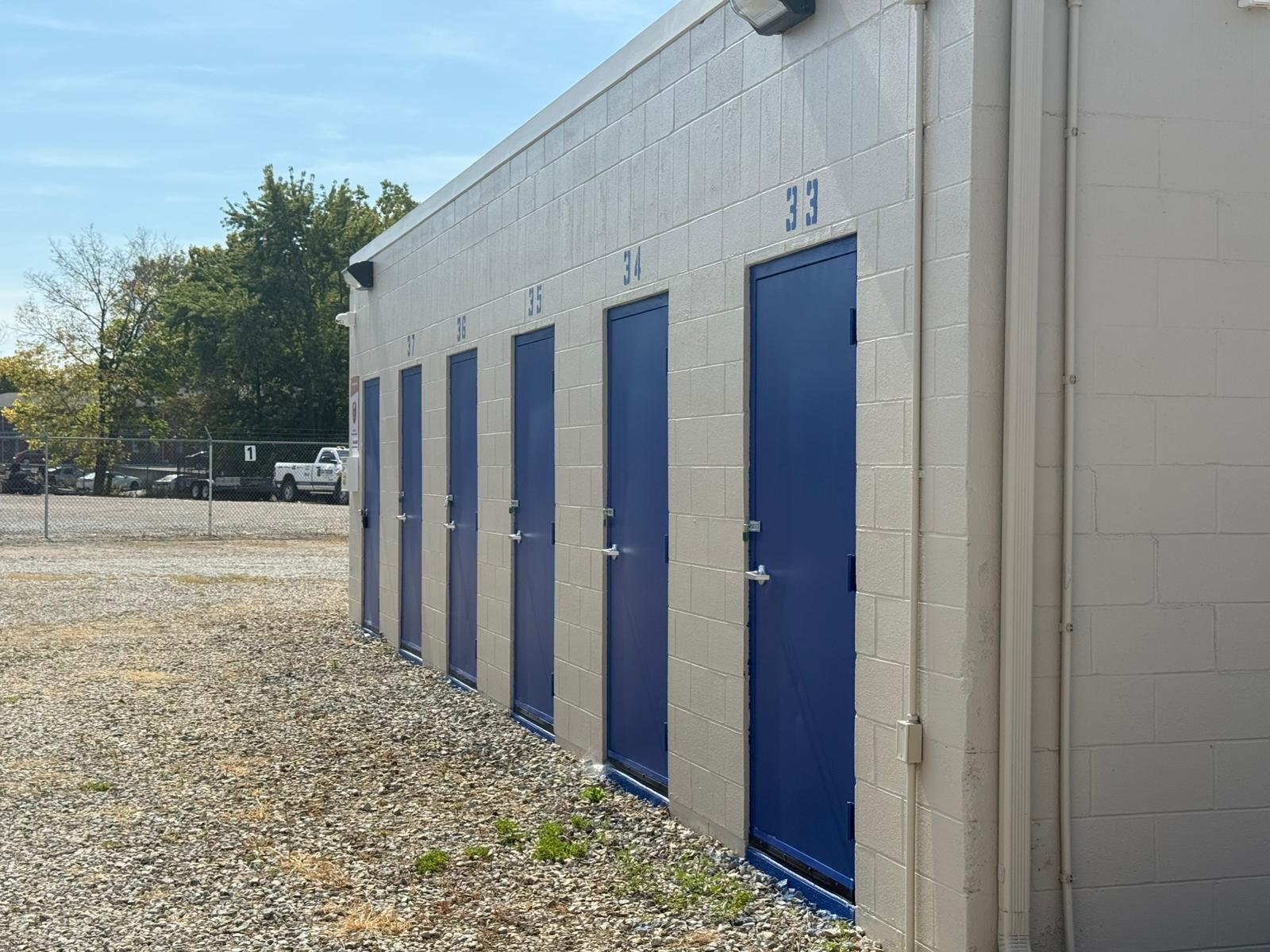
When Do Climate-Controlled Units Protect Sensitive Merchandise?
Some goods should not sit in unconditioned space. Climate-controlled units give sensitive retail inventory a more stable home than a standard unit. Temperature-controlled units are offered at both Muncie Yorktown Storage locations: 1018 W Centennial Ave, Muncie IN 47303 and 1524 S Nebo Rd, Yorktown IN 47396.
Put the items that would suffer from heat or cold in these units. Leave bulk, durable cartons in a drive-up 10x20 or 10x30. Split the overflow if your mix calls for both.
That keeps cost aligned with what the merchandise actually needs. A local retailer can run a mixed setup: climate-controlled space for the sensitive SKUs, drive-up space for the rest. Both unit types exist at each facility, so the choice follows the goods, not a one-location limitation.
How Should Retailers Handle Record and Document Storage?
Paper still piles up. Invoices, tax files, vendor packets, and compliance paperwork do not belong in a damp corner of the stockroom or in a box under the register. Secure record storage in Delaware County belongs in its own space, away from shop-floor overflow.
Files stay organized. Inventory stays in its own unit. Month-to-month terms let records storage grow or shrink with the business.
A year of invoices does not require the same footprint as five years of archived files. Keep current records in the office. Move the closed years off-site.
You retrieve what an accountant or auditor asks for without turning the back room into a filing warehouse.
What Loading Hours Fit a Retail Restock Schedule?
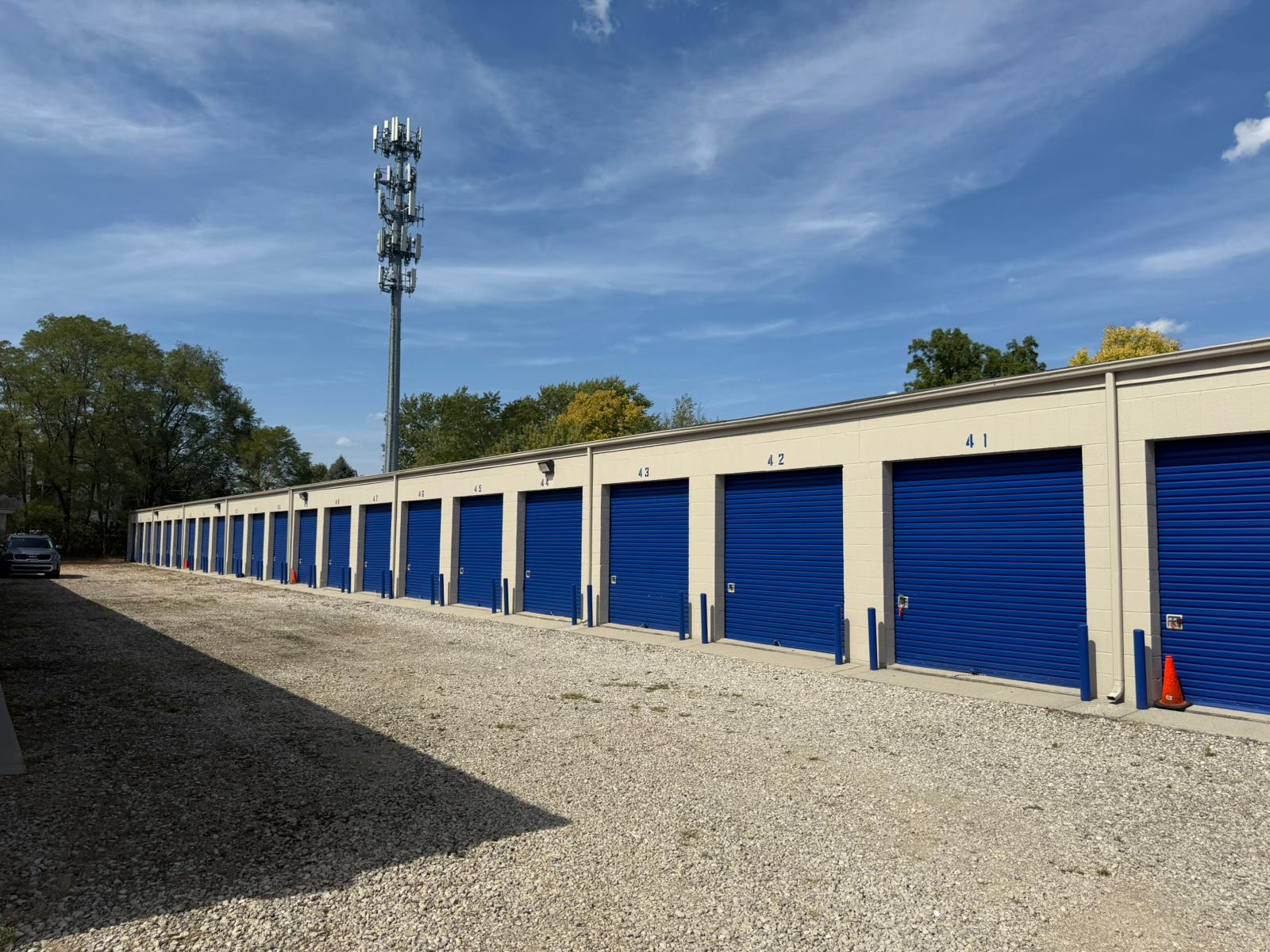
Drive-up access is the practical win for restocking. You pull up to the unit door, load boxes and totes, and head back to the shop. Units are exterior-access, so plan loading like a dock run, not a trip through interior corridors.
Standard gated access runs 6:00 AM to 9:00 PM daily. That window covers early receiving and evening close-out for most Delaware County retailers. 24/7 access is not the default.
Do not plan on a staffed check-in. Bring your access, your lock, and a short list of what you came to pull. Gate hours and your own calendar set the rhythm.
A 6:30 AM run before open gets weekend stock on the floor before customers arrive. A 7:00 PM stop after close returns unsold promo inventory without blocking the next morning's freight. Build those trips into the weekly schedule the same way you schedule a vendor delivery.
How Do Month-to-Month Leases Follow Seasonal Inventory?
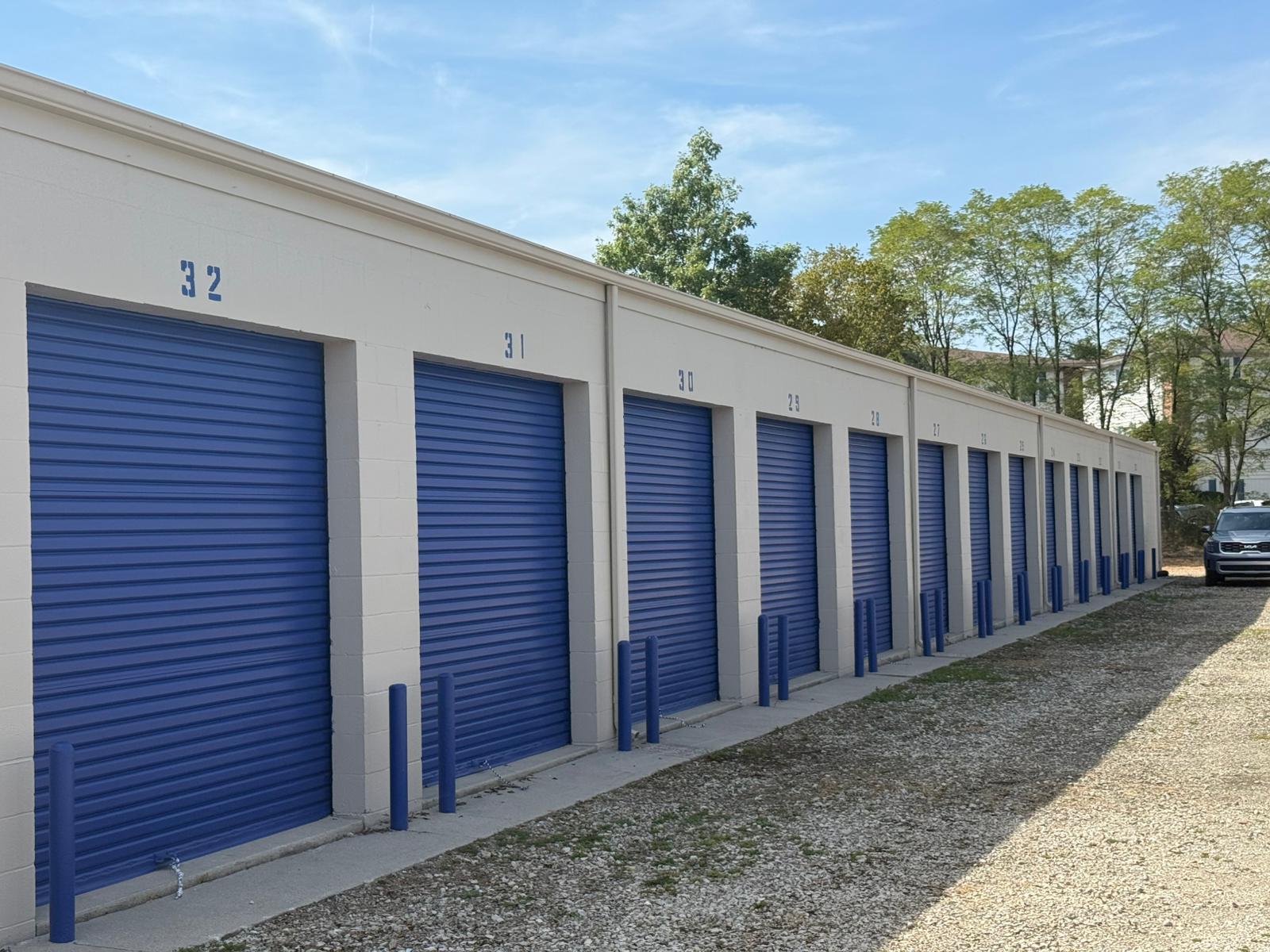
Retail inventory swells and recedes. A flexible lease should do the same. Month-to-month storage in Muncie and Yorktown lets you match storage to the season.
You are not stuck in a 12-month warehouse contract after January. Scale unit size with the season. A 10x30 in October can become a 10x20 in March, or you vacate when the storeroom can handle the remainder.
Transparent, no-hidden-fee pricing keeps the decision clean. You know the terms. You are not hunting for surprise charges in the fine print.
Cash flow likes options. Overflow space you can start and stop beats a second commercial lease you cannot exit. Hold the extra SKUs through the peak, empty the unit when sell-through is done, and let the lease follow the inventory.
Which Gated Location Serves Your Delaware County Shop?
Two gated facilities serve Delaware County. Choose the one that fits your shop and your delivery routes.
- Muncie: 1018 W Centennial Ave, Muncie IN 47303
- Yorktown: 1524 S Nebo Rd, Yorktown IN 47396
A west-side Muncie retailer may save time at the Centennial Avenue site. A Yorktown or south-county shop may prefer Nebo Road. Climate-controlled units and drive-up units are available at both.
Delaware County storage units at either gate can hold bulk inventory, sensitive goods, or records. Muncie Yorktown Storage operates both sites as local self storage for Delaware County businesses and households. Pick the gate you will actually use on a restock morning.
Gated access is the security feature in place. Pair it with a quality lock and the same care you give a stockroom key. Standard hours are 6:00 AM to 9:00 PM daily, with overnight access available to authorized tenants who ask management.
Storage units in Muncie, Indiana and Yorktown sit on real routes you already drive.
How Can You Get Overflow Off the Sales Floor This Week?
Your overflow plan is simple:
- Match bulk inventory to a 10x20 or 10x30 drive-up unit
- Put sensitive merchandise in climate-controlled space at either location
- Keep records in their own unit
- Work inside 6:00 AM to 9:00 PM, or request 24/7 if you qualify
- Stay month-to-month so the lease can follow the season
Then get the cartons off the sales floor. Rent Now and choose a size for overflow inventory. Business storage in Muncie and Yorktown is the practical way for a Delaware County retailer to clear the shop without a long-term commitment.
Secure, gated space at two convenient locations beats a crowded aisle. Pick the facility on your route, pick the unit that fits the goods, and move the overflow this week.
Muncie Yorktown Storage Trusted Storage Solutions in Delaware County
Muncie Yorktown Storage operates two secure, gated self-storage facilities in Delaware County, Indiana, serving Muncie and Yorktown with climate-controlled, drive-up, business, record, and outdoor RV/boat parking options. Flexible month-to-month leases and gated access from 6:00 AM to 9:00 PM daily, with 24/7 access available to authorized tenants on request.