Climate-Controlled vs Standard Storage Units: Delaware County Decision Guide | Muncie Yorktown Storage
Compare climate-controlled vs standard storage units in Delaware County, IN. Expert guide covers costs, weather impacts, and protection needs for your belongings at Muncie Yorktown Storage.
Climate-Controlled vs Standard Storage Units: Your Delaware County Decision Guide
Quick Decision Framework: Climate-controlled units cost $15-30 more monthly but protect electronics, furniture, and documents from Delaware County's temperature swings (single digits to 90°F+) and 70%+ humidity. Standard units work fine for vehicles, tools, and weather-resistant items.
Choose based on replacement cost and storage duration. Items worth $1,000+ or irreplaceable belongings need climate control.
What Makes Climate-Controlled Storage Different
Climate-controlled units maintain consistent conditions year-round through advanced HVAC systems that regulate both temperature and humidity. At Muncie Yorktown Storage, our climate-controlled units maintain precise conditions between 55-85°F with humidity controlled below 55% using commercial-grade dehumidification systems.
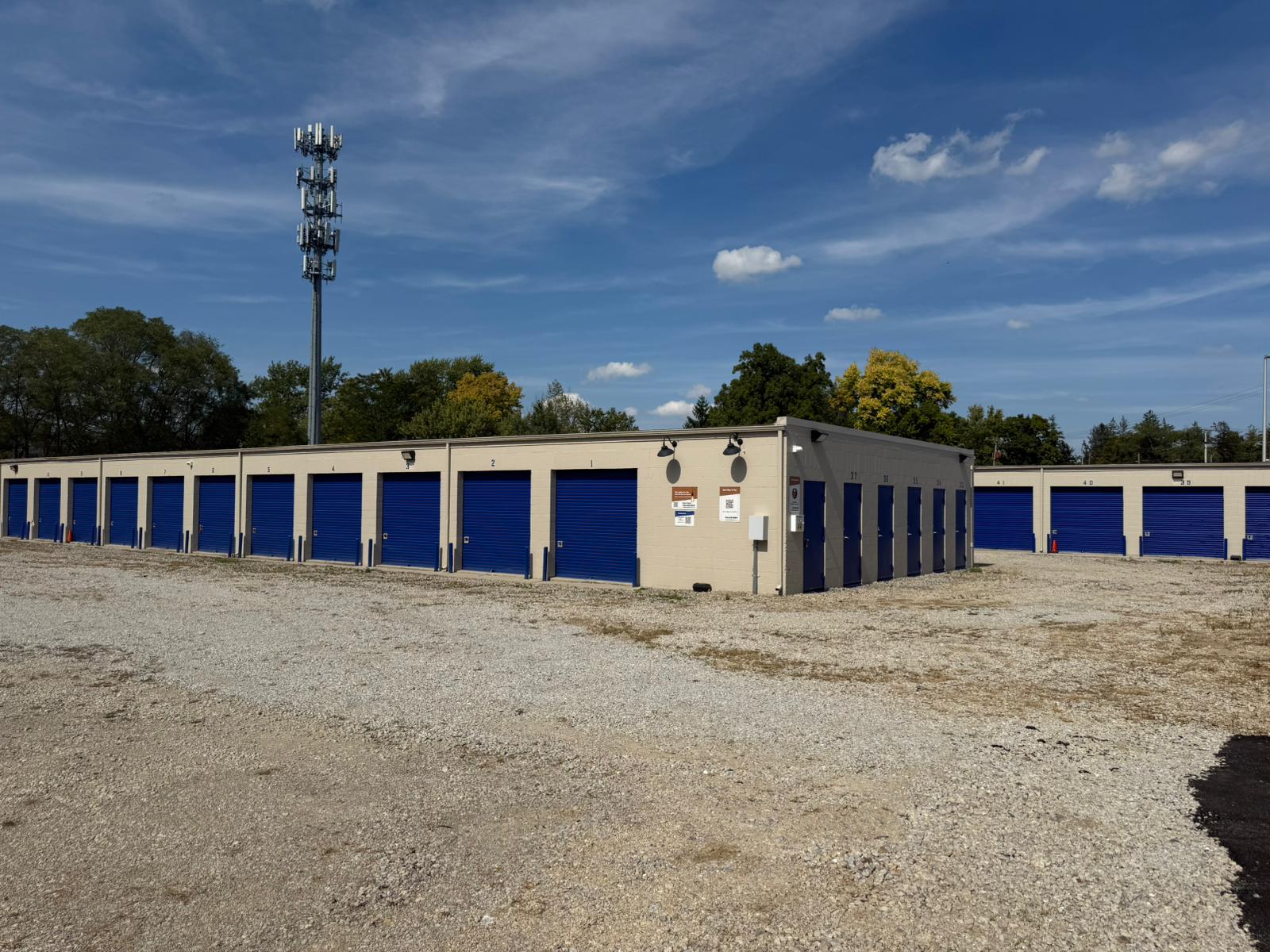
Standard units fluctuate with outdoor conditions, essentially acting as insulated boxes without active climate control. In Delaware County, summer temperatures inside standard units regularly exceed 95°F with humidity levels matching outdoor conditions that often reach 80%+. Winter temperatures drop to match outdoor conditions, often below freezing for extended periods.
The critical difference: Climate control creates a stable microenvironment that prevents the expansion-contraction cycles and moisture fluctuations that damage sensitive items. Based on our 15+ years serving Delaware County residents, we've observed that temperature swings of 40°F+ within 24 hours are common in standard units during seasonal transitions.
Delaware County Weather Impacts: Real Data from Our Facilities
Delaware County experiences dramatic temperature swings from single digits in January to 95°F+ in July, with humidity regularly exceeding 75% during summer months. Our facility monitoring systems have recorded these extreme conditions over the past five years:
Documented temperature extremes in standard units: - Summer peaks: 98°F recorded July 2023 during heat dome event - Winter lows: -2°F recorded February 2021 during polar vortex - Daily swings: Up to 45°F temperature changes during spring storms
Humidity-related damage patterns we've observed: - Summer: Mold growth begins within 72 hours when humidity exceeds 60% - Winter: Condensation forms on metal surfaces when temperatures fluctuate around freezing - Spring/Fall: Rapid temperature changes create moisture inside sealed containers, leading to document damage and electronic corrosion
When Climate-Controlled Storage Is Essential: Damage Prevention Guide
Electronics and Digital Media
Temperature fluctuations destroy electronics through thermal expansion. Circuit boards develop micro-fractures when repeatedly heated and cooled. Hard drives fail when internal condensation forms on read/write heads.
Real examples from our experience: - Customer's vintage stereo system: $3,000 replacement cost after one summer in standard storage - Business server equipment: Complete data loss after humidity caused motherboard corrosion - Gaming console collection: 40% failure rate after two years in non-climate controlled unit
Store these items in climate-controlled units: - Computers, televisions, gaming systems - Photo collections and film negatives - Vinyl records and compact discs - Business servers and equipment
Furniture and Antiques: Protecting Your Investment
Wood furniture undergoes destructive expansion-contraction cycles when exposed to humidity changes exceeding 10%. This creates permanent warping, joint separation, and finish cracking that professional restoration cannot fully repair.
Documented damage from our facility: - Solid oak dining set: $2,400 replacement after veneer cracking in standard unit - Antique piano: $8,000 repair bill for soundboard damage from humidity exposure - Leather furniture: Complete replacement needed after mold growth and cracking
Climate control protects: - Solid wood furniture and cabinets - Leather items and upholstery - Artwork and collectible items - Musical instruments
Important Documents and Books: Irreplaceable Item Protection
Paper deteriorates rapidly when exposed to temperatures above 80°F and humidity above 60%. High humidity creates ideal conditions for mold growth, which can destroy entire document collections within weeks.
Professional archival standards recommend: - Temperature: 65-70°F (our units maintain 65-75°F) - Humidity: 45-55% (our units maintain 45-50%) - Air circulation: Continuous (our HVAC systems provide 24/7 air exchange)
Protect these paper items: - Business records and legal files - Photo albums and scrapbooks - Certificates and important papers - Book collections and libraries
Clothing and Textiles: Natural Fiber Protection
Natural fibers deteriorate rapidly in uncontrolled environments. Cotton becomes brittle, wool develops moth damage, and silk loses structural integrity when exposed to humidity fluctuations.
Textile preservation requires: - Consistent temperature below 75°F - Humidity below 55% to prevent pest activity - Air circulation to prevent stagnant conditions
Sensitive textiles include: - Wedding dresses and formal wear - Seasonal clothing (natural fibers) - Quilts and vintage bedding - Retail clothing inventory
When Standard Storage Units Work Fine: Cost-Effective Solutions
Outdoor and Sports Equipment
Weather-resistant items designed for outdoor use can handle temperature fluctuations without damage. These items benefit from theft protection and organized storage without requiring climate control investment.
Ideal for standard storage: - Lawn mowers and garden tools (properly winterized) - Bicycles and exercise equipment - Camping and fishing gear - Sports and recreational equipment
Vehicles and Large Equipment
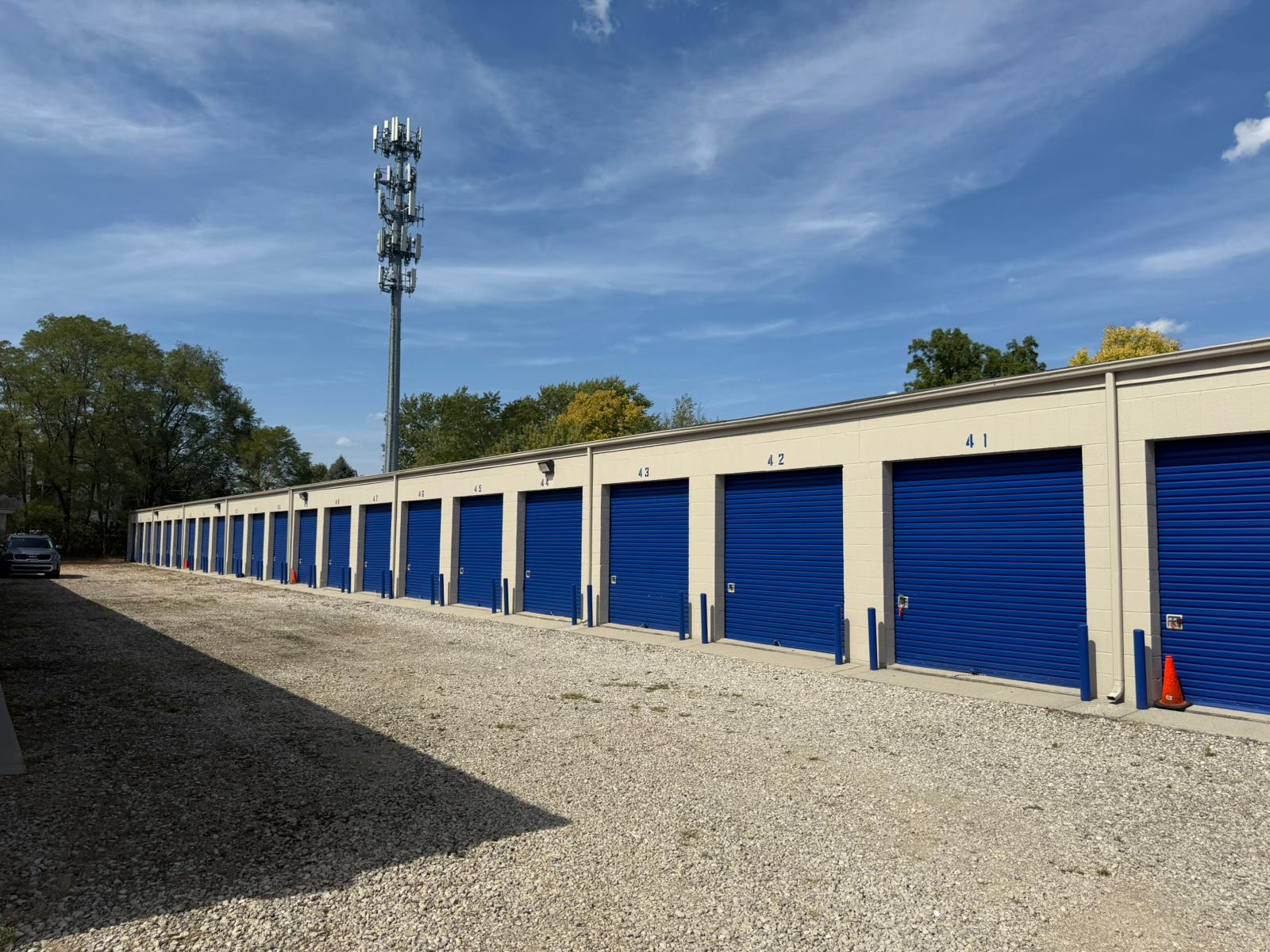
Vehicles already withstand extreme temperatures during normal operation. Standard storage provides security and protection from theft, vandalism, and weather damage at significantly lower cost than climate control.
Suitable for standard storage: - Cars, motorcycles, and ATVs - Boats and recreational vehicles - Construction equipment - Farm machinery and implements
Non-Sensitive Household Items
Modern synthetic materials resist temperature damage when properly prepared for storage. These items can safely use standard units with appropriate packing techniques.
Standard storage works for: - Plastic storage containers and bins - Metal items and basic tools - Artificial holiday decorations - Appliances (properly prepared for storage)
Delaware County Storage Cost Analysis: ROI Calculator
| Unit Size | Standard Unit | Climate-Controlled | Monthly Difference | Annual Cost Difference |
|---|---|---|---|---|
| 5x10 | $55-75 | $70-95 | $15-20 | $180-240 |
| 10x10 | $75-95 | $90-125 | $15-30 | $180-360 |
| 10x15 | $95-120 | $115-150 | $20-30 | $240-360 |
Cost-benefit analysis: The annual climate control premium of $180-360 often costs less than replacing a single damaged electronic item or piece of furniture. Consider that a basic laptop replacement costs $500+, while a damaged wooden dining set can require $2,000+ to replace.
Insurance considerations: Many homeowner's insurance policies exclude damage from temperature and humidity when items are stored in non-climate controlled environments.
Local Weather Considerations: Delaware County Specific Challenges
Delaware County's location in east-central Indiana creates unique storage challenges due to its continental climate with Great Lakes influence:
Seasonal humidity patterns (based on 10-year weather data): - June-August: Average humidity 75%+, with frequent 85%+ days - December-February: Rapid freeze-thaw cycles create condensation - March-May & September-November: Extreme temperature swings of 40°F+ within 24 hours
Severe weather impacts: - Tornado season (April-June): Wind-driven moisture penetrates standard units - Ice storms: Power outages affect climate control systems (our facilities have backup generators) - Heat domes: Extended periods above 90°F create oven-like conditions in standard units
Making Your Storage Decision: Professional Assessment Framework
Replacement Cost Analysis
Calculate total stored item value: 1. Electronics: Add up computers, TVs, stereo equipment 2. Furniture: Estimate replacement cost for wood and upholstered items 3. Documents: Consider cost of recreating business records, legal documents 4. Collectibles: Factor in both monetary and sentimental value
Break-even calculation: If total stored value exceeds $2,000, climate control typically pays for itself within the first year by preventing damage.
Storage Duration Considerations
- Short-term (under 6 months): Standard units may suffice for most items
- Medium-term (6-18 months): Climate control recommended for sensitive items
- Long-term (18+ months): Climate control essential for preserving item condition
Professional Recommendation Process
At Muncie Yorktown Storage, our locally-owned facilities have served Delaware County for over 15 years. We've helped thousands of customers make informed storage decisions based on their specific needs and budget constraints.
Our assessment includes: - Item-by-item vulnerability analysis - Local weather pattern consultation - Cost-benefit calculation specific to your situation - Insurance coverage review and recommendations
Frequently Asked Questions About Storage Types
Q: Can I switch from standard to climate-controlled storage later? A: Yes, we offer flexible month-to-month terms that allow you to upgrade your storage type based on seasonal needs or changing requirements.
Q: Do climate-controlled units prevent all moisture damage? A: Climate control significantly reduces moisture-related damage by maintaining humidity below 55%, but proper packing with moisture barriers is still recommended for maximum protection.
Q: Are there items that should never go in standard storage? A: Yes, electronics, wooden furniture, important documents, and natural fiber textiles should always use climate-controlled storage in Delaware County's variable climate.
Q: How quickly can temperature changes damage my items? A: Damage can begin within 24-48 hours for sensitive electronics and documents when humidity exceeds 60% or temperatures fluctuate more than 20°F.
Protect Your Investment with Expert Storage Guidance
Ready to secure your belongings with the right storage solution? Muncie Yorktown Storage combines local weather expertise with professional storage guidance to help you make the optimal choice between climate-controlled and standard storage units.
Our experienced team will assess your specific items, storage duration, and budget to recommend the storage solution that provides maximum protection while meeting your financial requirements.
Delaware County's Top-Rated Self Storage - 2 Locations
About Muncie Yorktown Storage
Trusted Storage Solutions in Delaware County
Muncie Yorktown Storage is Delaware County's locally owned self storage company, providing secure and accessible storage solutions across two convenient locations. We specialize in both residential and commercial storage with 24/7 access, video surveillance, and flexible month-to-month terms. Our clean, well-maintained facilities serve Transit-Stage Tyler, Declutter Dana, and Business-Box Brian with competitive pricing and no hidden fees. From climate-controlled units to outdoor vehicle parking, we're committed to protecting your belongings with professional service and community values.